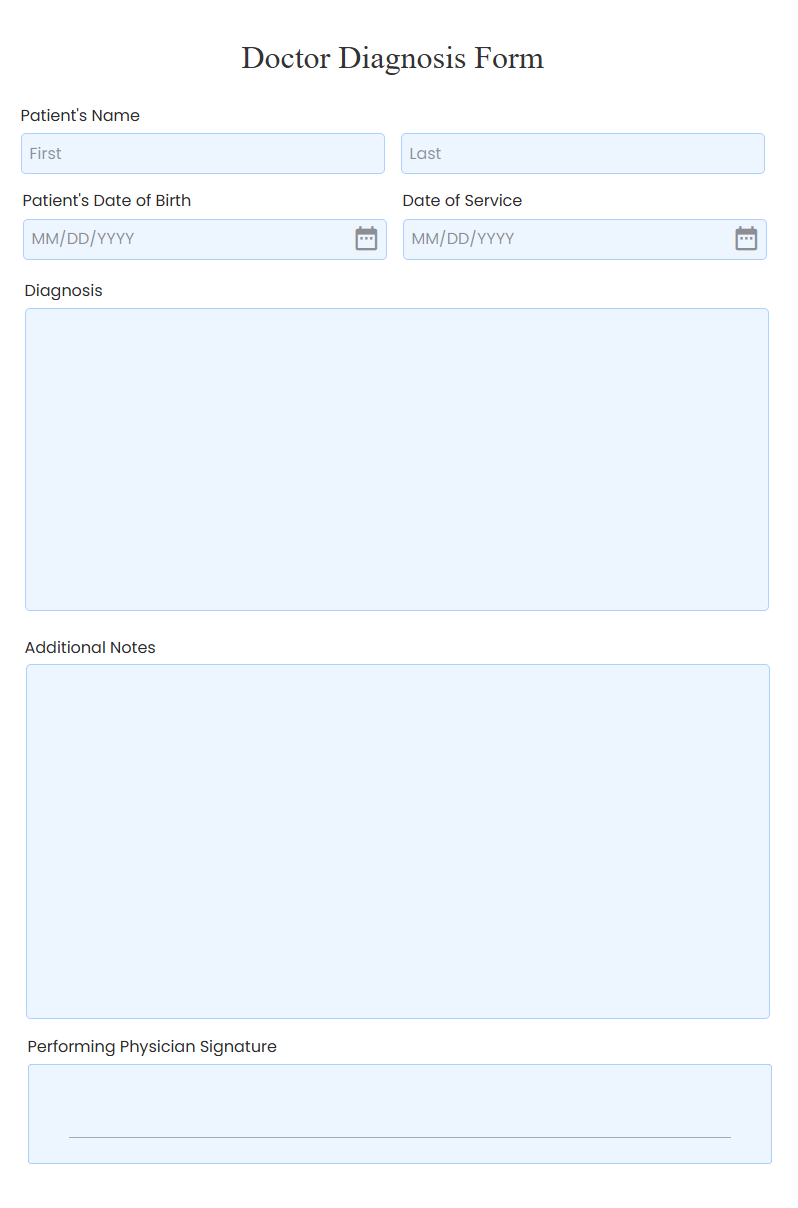
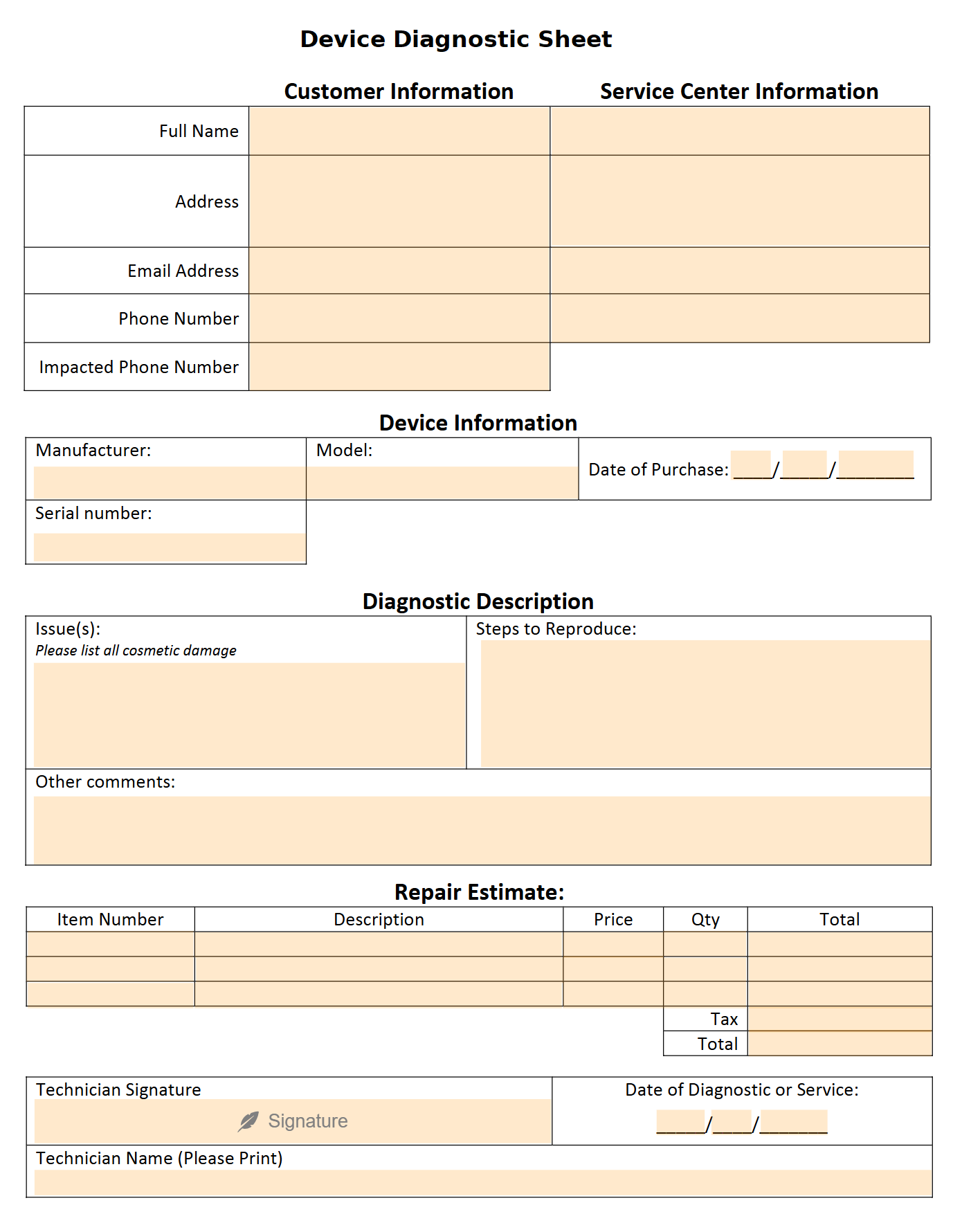
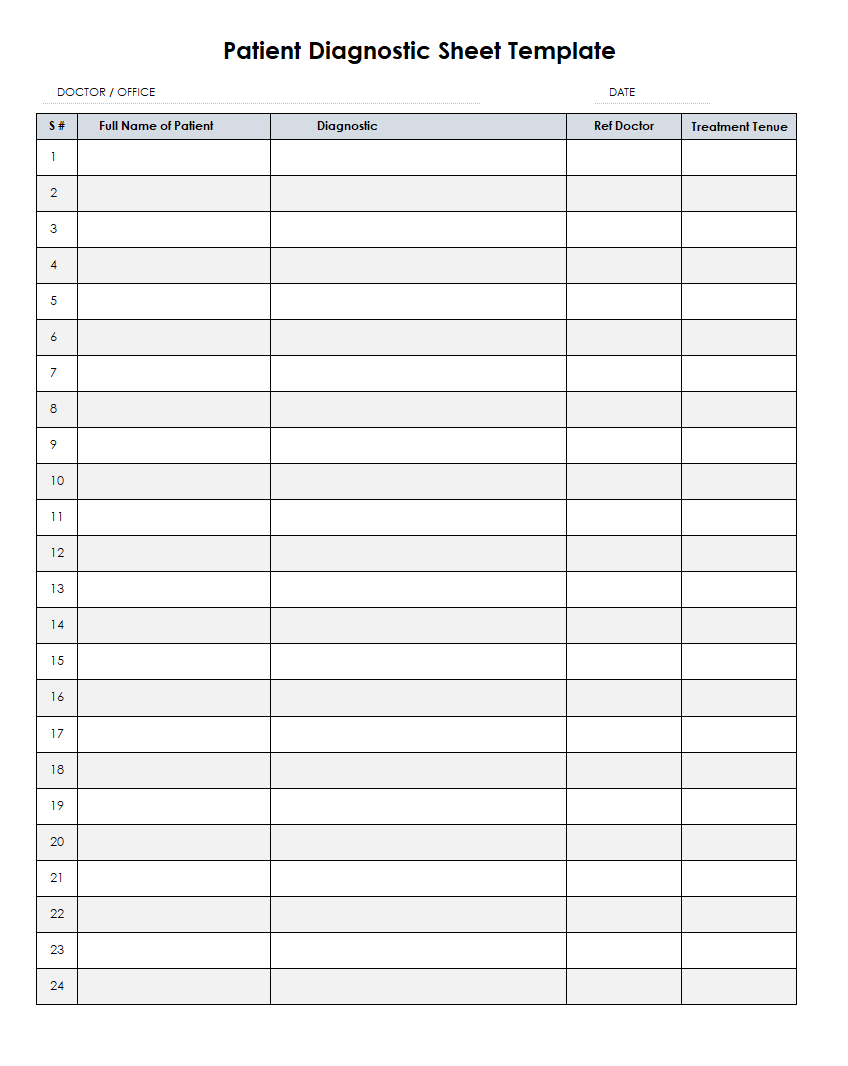
A diagnostic sheet template aids in systematically collecting and organizing information about an entity, individual, or process. This template’s intended use is to allow for accurate and consistent documentation of all information collected during analysis or reports of that data. A diagnostic sheet template allows for the collection of consistent data across multiple locations and may include sections for ID / Model, symptoms reported, assessment findings, and proposed actions. Moreover, it will help establish the standardization of data collection between professions and clients, as well as assist in finding the root of the issues so that a proper intervention can occur.
Importance of Diagnostic Sheet:
The use of a diagnostic sheet template is essential for numerous industries. For instance, medical, educational, business, and technical industries when performing assessments. These templates often allow for the collection of data to be conducted in a structured manner and minimize any potential errors or omissions. Additionally, they help to provide researchers with reliable and valid data necessary for making sound decisions.
Benefits of Diagnostic Sheet:
The diagnostic sheet template can be used to obtain the following benefits:
Consistent Data: Regardless of who is conducting an assessment all data will be consistently collected the same way. Usually, different evaluators or even the same evaluator on a variety of occasions conduct this assessment.
Efficient Process: The use of a template helps to streamline the assessment and provides pre-defined fields to fill out for each assessment.
Accurate Data: It provides a structured format and pre-defined fields that will help to reduce the chance of collecting incomplete or missing data.
Comparable Data: The consistent application of a diagnostic sheet over time will help to confirm whether the data can be accurately compared over time or across different entities.
Documented Assessment: A completed diagnostic sheet contains the documentation of the assessment that can be used to review the assessment at a later date, make a decision to take corrective action regarding previous assessments, or complete a follow-up assessment of the entity/individual being assessed.
Facilitated Professionalism: The use of a diagnostic sheet for evaluation demonstrates that there was a systematic approach to data collection or documentation on behalf of the evaluator, which increases the evaluator’s credibility, as well as the trust others will place in the evaluator’s data.
Final Verdict:
Ultimately, the purpose of a diagnostic sheet template is to assist in providing thorough, accurate, and timely assessment across a variety of different professional settings. Therefore, it should be considered to be a vital tool for any professional within their respective disciplines.